As 2024 was approaching, I spent some time thinking of an appropriate topic to begin the new year. If you are a follower of my blog, you know I have a passion for discovering and preserving family history. So, I thought a post on how to craft a family history narrative would be a great way to start the year and encourage those who considering documenting their family story.
In May 2022, I wrapped up a 30-year journey of researching and discovering my family’s story taking me back to the late 1500s. Years of research, discoveries, frustrations, and lessons learned culminated in the publishing of my book: Fortitude: Preserving 400 Years of an American Family’s Faith, Patriotism, Grit, and Determination. In today’s post, I want to share what I learned in the course of that 30-year journey.
From Boxes to Book

A neighbor of mine recently showed me a box of amazing World War II memories of her father. Photos from the war, awards, service record entries, and even her father’s diary. So many treasured memories – but how can they be preserved?
Are you in a similar situation? Do you have notebooks or boxes full of files and photos on family history that you’ve collected or that were passed down to you? Are you concerned with who will take ownership of these records when you are gone? Have you wrestled with how to preserve years of genealogical research? Or, are you thinking about starting family history research but not sure where to put your discoveries? If this even remotely describes your situation, perhaps it may be time for you to craft and publish your family history narrative.
Family History Narrative Defined
A family history narrative is best defined as creative nonfiction. Your writing will have some creative elements as you may not have a definitive document to make a statement of fact. For example, circumstantial evidence may lead you to conclusions about someone or an event in your family’s history. So, in those cases you can use qualifiers in your writing such as “likely” or “possibly”.
A family history narrative is more than genealogical names and dates as those facts, although important, can be a bit dry by themselves. Stories of our ancestors is what gives the narrative life. Typically, your family history narrative begins with a dramatic event. And for most Americans that event is when your ancestor left the “old country” for a new start in America. And get ready, as navigating this journey will entail some exhaustive research. So, before you begin, you need to wrestle with “the why”. Why are you going to invest countless hours of research and writing? For me, it was the legacy I’ll pass down to my children and grandchildren. And then on to my great-grandchildren for generations to come.
Where to Begin

Whether you were passed down information on your family history or you’re launching that discovery journey yourself, start with nailing down the genealogy data. Ancestry.com is great, but here’s a word of caution. Don’t accept an entry on ancestry.com as factual unless there’s a source document to back it up. In other words, you’ll feel more comfortable that the date of birth of an ancestor is correct, if it’s corroborated with a birth record. Personally, I like to have several corroborative records on births, marriages, and deaths. Other helpful sources to nail down your genelogical data include: findagrave.com, U.S. Census records, fold3.com (military records), and the National Archives in Washington D.C.
From Records to Stories

Once you have the genealogical data in order, find out more about the person. Go behind the impersonal names and dates and discover your ancestor’s story. Where did they live? What was their childhood like? What did they do for a living? What were their hobbies? Were they active in the local church? There’s so much to learn! So, prepare a list of questions, put on your detective hat, and get to work!
Finding these stories isn’t easy, but once you do, your ancestor’s legacy will come to life. Here’s some methods I found successful in discovering the stories of my ancestors going back 300 years. Since my 17th and 18th century ancestors lived in small New England towns, I found the local town halls to be very helpful. There I could view records of town meetings from the late 1600s in which my ancestors participated in.
The local librarian is an remarkable resource. So many times librarians helped me weave bits and pieces of information into a story. Finally, many 19th century towns in America published town history books. They are a wealth of information about period life and a limitless source of data to develop the story of your ancestor. And since these books, written so long ago, are now out of publication, you can generally find a free digital version of them online.
Fold in History

You must admit that genealogical data (names/dates) in itself is rather boring. Discovering the story behind the names/dates brings the ancestor to life. But then, when you fold in the historical context of the day, your family history narrative is born.
As you are researching your ancestors, become a student of history. You can better appreciate the lives of your ancestors when you understand what life was like for them from a historical perspective. For example, when I discovered that my all four sons of my 6th great-grandparents James and Anna Spaulding served in the American Revolution, I felt the pride of these “Parents of Patriots”.
Getting Published

If you’ve made it this far, you’ll likely be wrestling with the idea of now publishing your family history narrative. It’s a long, challenging journey, but worth every ounce of sweat in the end. I consider my book, Fortitude: Preserving 400 Years of an American Family’s Faith, Patriotism, Grit, and Determination to be a defining legacy of mine for generations to come.
The first big decision is choosing how formal you want your narrative to be. From using a professional publishing company, or self-publishing, or informally printing your manuscript to distribute to family members, you’ll need to think through your long-term goals.
The likelihood that a traditional publishing company will pay you to write your family history narrative is basically zero – unless your family is famous. But the good news is, there are publishing companies that specialize in assisting the self-publisher with professional editing, cover design, book layout, legal (copyright, LCN, ISBN), and distribution channels. Do your due diligence and ask lots of questions to ensure you’re comfortable with the publishing company you choose. I had a good experience with Gatekeeper Press. Learn more about them HERE.
Lessons Learned
I learned a LOT on the road to publishing my family history narrative. Here’s a list of my Top 10 lessons learned:
- Get multiple reviews of your draft manuscript
- Document source notes as you research
- Be ok with “writers block” (creative slowdown) as it will happen
- Learn, respect, and invest in the “process”
- Regarding your publisher, remember, you are the customer
- Solicit pre-release book reviews
- Become a student of marketing
- Connect with (and learn from) local authors
- Capture stories of your aging relatives ASAP
- Get involved and learn (local genealogy clubs, national genealogy societies)
Get more tips on writing your family history from Family Tree Magazine HERE.
Learn more about the creative nonfiction elements of a Family History Narrative HERE.
Digging Deeper
Does the thought of crafting a family history narrative seem overwhelming? Take heart, there’s help available. Organizations like “The Writers for Hire” have talented ghostwriters who will do the heavy lifting for you. Remember, it’s still your book. The ideas are yours – they get it down on paper. Learn more HERE.
If you want to dig a little deeper on crafting a family history narrative, check out the two-part interview author and international speaker, Lisa Louise Cooke, CEO of Genealogy Gems did with me on this topic. Here are the links to these interviews on YouTube: Part I and Part II.
I know you don’t have all the answers – but you have enough to get started. So, buckle up, put on that detective hat, and get to work on crafting your family history narrative to preserve history and leave a legacy for generations to come.
Good Luck on your journey!
Fortitude Blog Wins Award

My Fortitude Blog was recently awarded Second Place in the 2023 Texas State Genealogical Society (TxSGS) Category IV Blogs (Individual) contest. If you’d like to received my monthly posts directly to your email, you can SUBSCRIBE HERE.
If you enjoy reading my blog, please click the LIKE button below and leave a comment. I look forward to hearing from you!
IMAGES
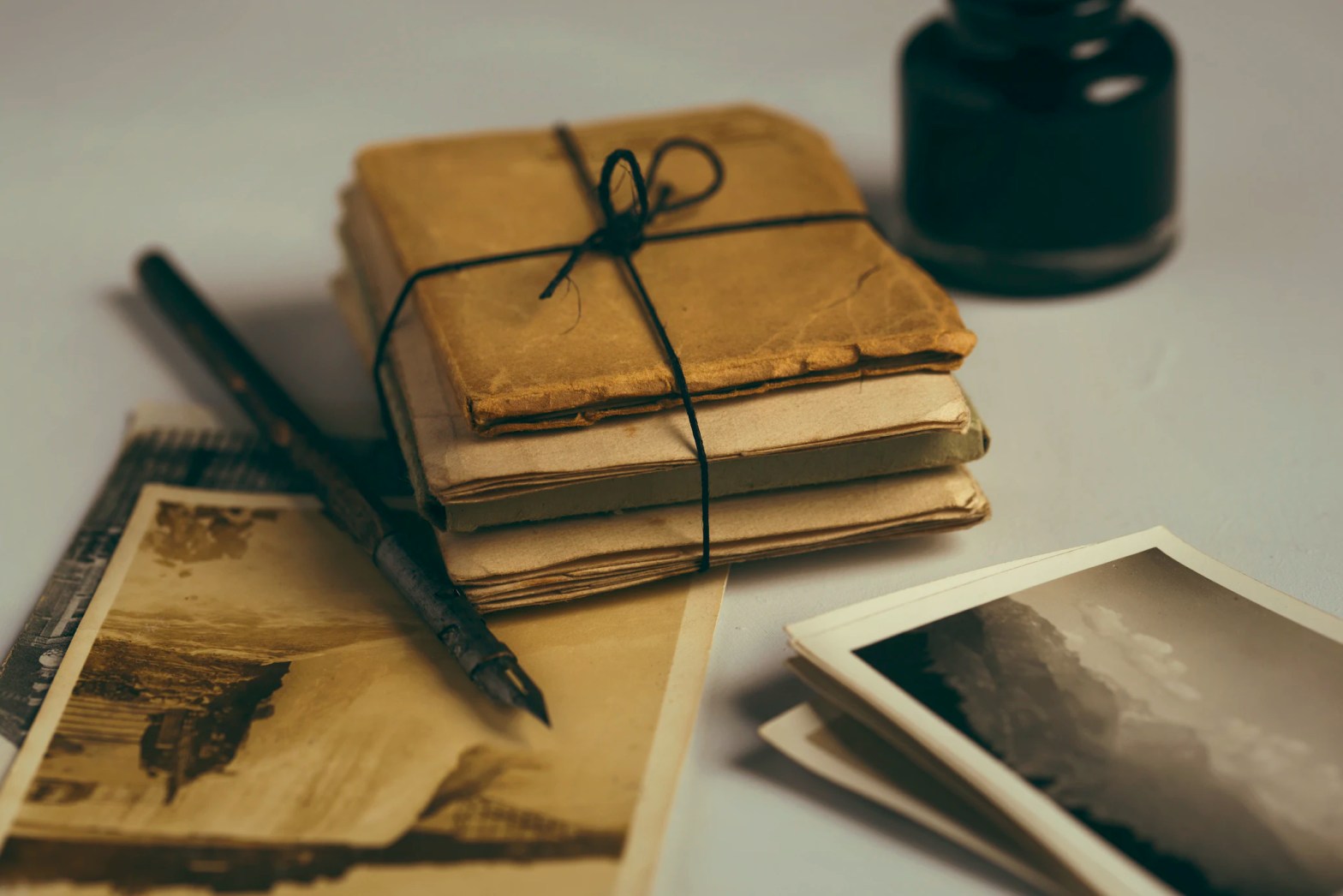
- Featured Image: Brown Paper and Black Pen by Joanna Kosinska (2015) was accessed from https://unsplash.com/photos/brown-paper-and-black-pen-B6yDtYs2IgY on November 9, 2023 and is free to use under the Unsplash License.
- Books on the Table by Wesley Tingey (2020) was accessed from https://unsplash.com/photos/stack-of-books-on-table-snNHKZ-mGfE on November 9, 2023 and is free to use under the Unsplash License.
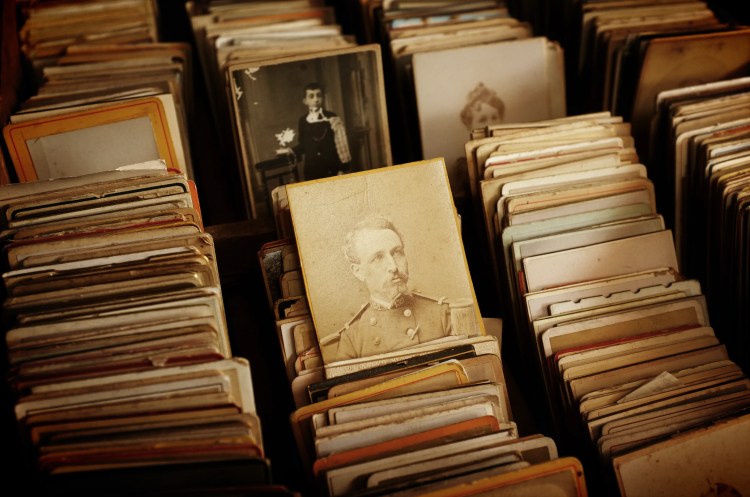
- Black and White Photo by Mr Cup / Fabien Barral was accessed from https://unsplash.com/photos/black-and-white-photo-lot-Fo5dTm6ID1Y on November 9, 2023 and is free to use under the Unsplash License.
- Adventure Begins by Sapan Patel (2017) was accessed from https://unsplash.com/photos/a-wooden-sign-that-says-so-the-adventure-begins–GkLdVcOjGE on November 8, 2023 and is free to use under the Unsplash License.
- Black Typewriter by Daria Kraplak (2018) was access from https://unsplash.com/photos/black-typewriter-d34DtRp1bqo on November 9, 2023 and is free to use under the Unsplash License.
- Hardbound Books by Natalia Y. (2018) was accessed from https://unsplash.com/photos/seven-hardbound-books-on-black-surface-f5xddISq428 on November 10, 2023 and is free to use under the Unsplash License.
- Pile of Assorted Books by Daria Nepriakhina (2017) was accessed from https://unsplash.com/photos/pile-of-assorted-title-books-xY55bL5mZAM on November 9, 2023 and is free to use under the Unsplash License.
Discover more from Fortitude
Subscribe to get the latest posts sent to your email.
 Fortitude
Great stuff Dale! Thanks!
Mark
>
LikeLiked by 1 person